Orders are dispatched the same day if placed before 3pm (Monday to Friday). Find out more

Everything you need to know about USB-C ports

You've probably asked someone to lend you their charger, only to find that it wasn't compatible with your phone. Good news: this will soon be a thing of the past! The European Union has recently decided to require manufacturers to standardise chargers. We explain everything.

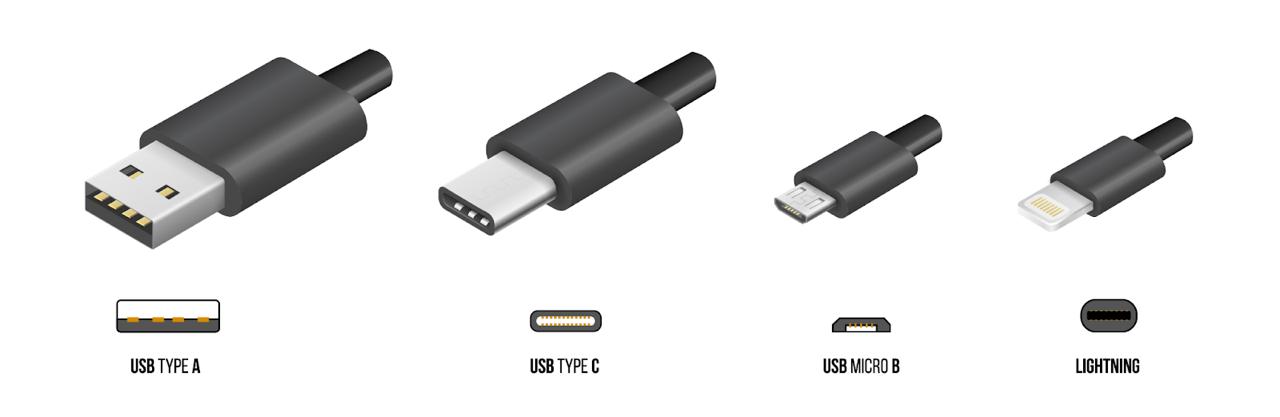
USB, USB-C, Lightning, Micro-USB... It's hard to keep track!

There are several charging port models still available on the market. Manufacturers have their preferred technology, and some have evolved over time.

- The "Lightning" port specific to the following productsApple;

- The "USB" port;

- The "micro-USB" port used by other manufacturers such as Samsung;

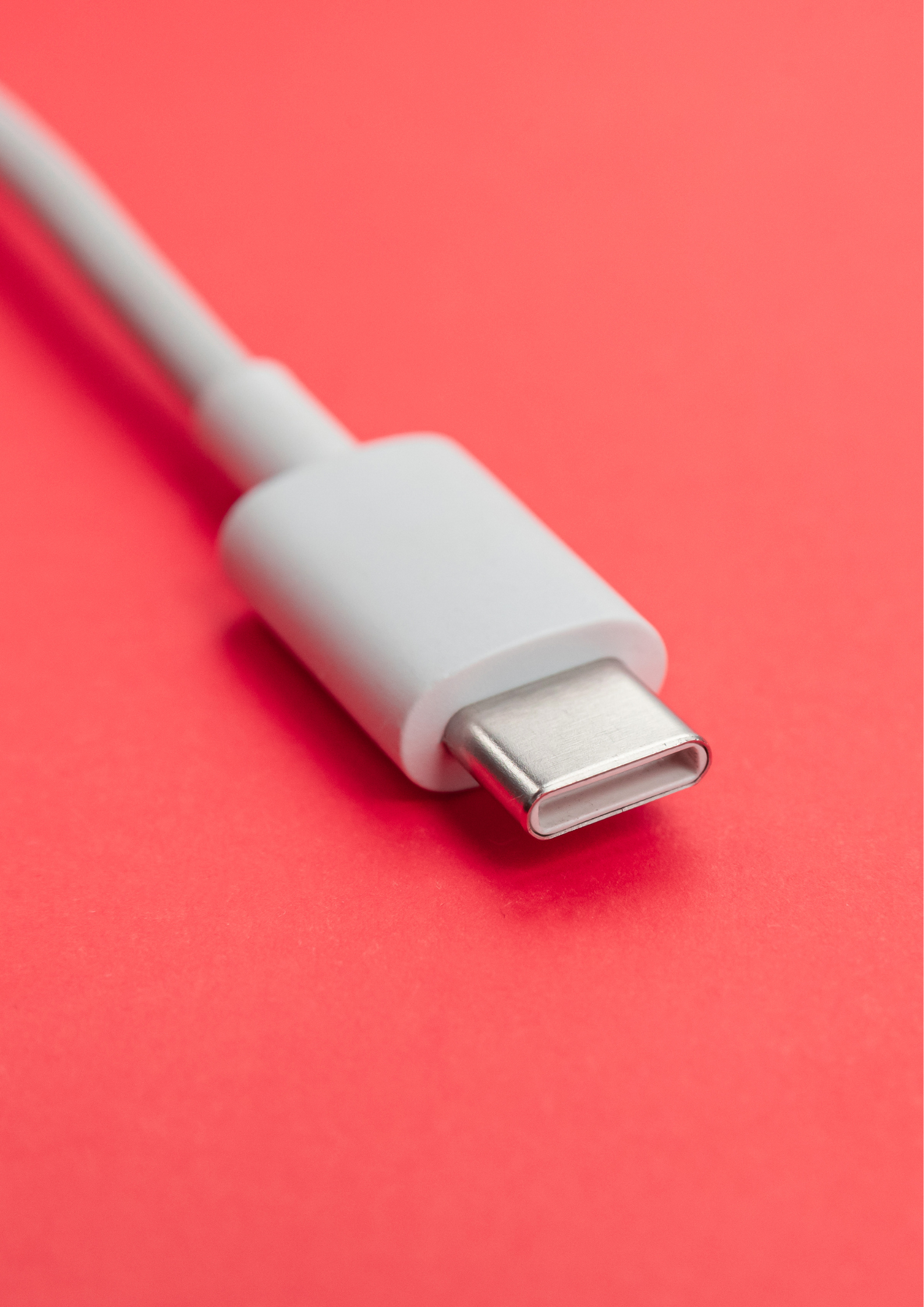
- The "USB-C" port

However, the European Union felt that the differences in the technologies offered by different brands could confuse consumers and even lead to unfair competition. Indeed, the fact that Apple was the only brand to offer Lightning technology created a market for products (chargers and adapters) that could lead to unfair competition, given that all other brands offered the same technology.

This is why the European Union has ordered all smartphone manufacturers to use a single technology, and USB-C has been agreed upon as the standard.

What does European legislation say?

From 28 December 2024, all smartphones will be required to incorporate a USB-C port, in accordance with the recently enacted European Universal Charger Directive. This decision marks a significant change in the mobile phone landscape, with an ongoing transition to USB-C.

The directive, published in the European Official Journal, stipulates that manufacturers have until that date to comply with this standard. With a 24-month transition period for Member States, companies will have until the end of 2024 to update their products.

Although this decision may seem restrictive to some, most smartphone manufacturers have already adopted USB-C as the standard, relegating the micro-USB port to entry-level phones. Apple, with its Lightning port, resisted this trend until the release of the iPhone 15 range in September 2023. The brand has no choice but to comply with European regulations!

This transition also affects other devices, such as tablets, headphones, portable consoles and cameras. Although computers are also affected, their complete adaptation to USB-C could take longer, probably until 2026.

Be careful with adapters! 

Smartphone charging ports will now all be USB-C, but be careful with charging adapters! 

In recent years, manufacturers have stopped supplying charging adapters, providing only the charging cable when you purchase a smartphone.

So be careful with the connector!

   - For USB-C/USB cables: you will need a USB charging adapter.

or 

   - For dual USB-C cables: in this case, you will need a USB-C charging adapter. 

More articles

VISIT OUR BLOG
Advice
IPhone screen: understanding Hz and ProMotion

IPhone screen: understanding Hz and ProMotion

60 Hz, 90 Hz, 120 Hz, ProMotion: find out how the display frequency of an iPhone screen works,...

2025-11-28
Advice
What quality iPhone screen should I choose? TFT, INCELL, OLED, original

What quality iPhone screen should I choose? TFT, INCELL, OLED, original

TFT, INCELL, LTPS, hard and soft OLED, Service Pack, refurbished or pulled: find out which iPhone...

2025-11-26
News
OnePlus 13: Features and Release Date

OnePlus 13: Features and Release Date

OnePlus 13: Discover its features, innovations and expected release date. Everything you need to...

2025-03-04