Orders are dispatched the same day if placed before 3pm (Monday to Friday). Find out more

The history of the iPhone Mini

Why did Apple create the iPhone Mini? 

With the release of a Mini version, Apple hoped to reach more people in the market with a compact version offering the same performance as the iPhone.

The price was also more affordable than the "classic" models, again allowing it to reach a wider audience.

With the Mini version, Apple sought to diversify its catalogue.

However, the iPhone Mini had a short but notable history in the Apple range. Launched in 2020 with the 12 series, it will not be renewed with the release of the 14 series.

iPhone 12 Mini (2020)

Release date: October 2020.

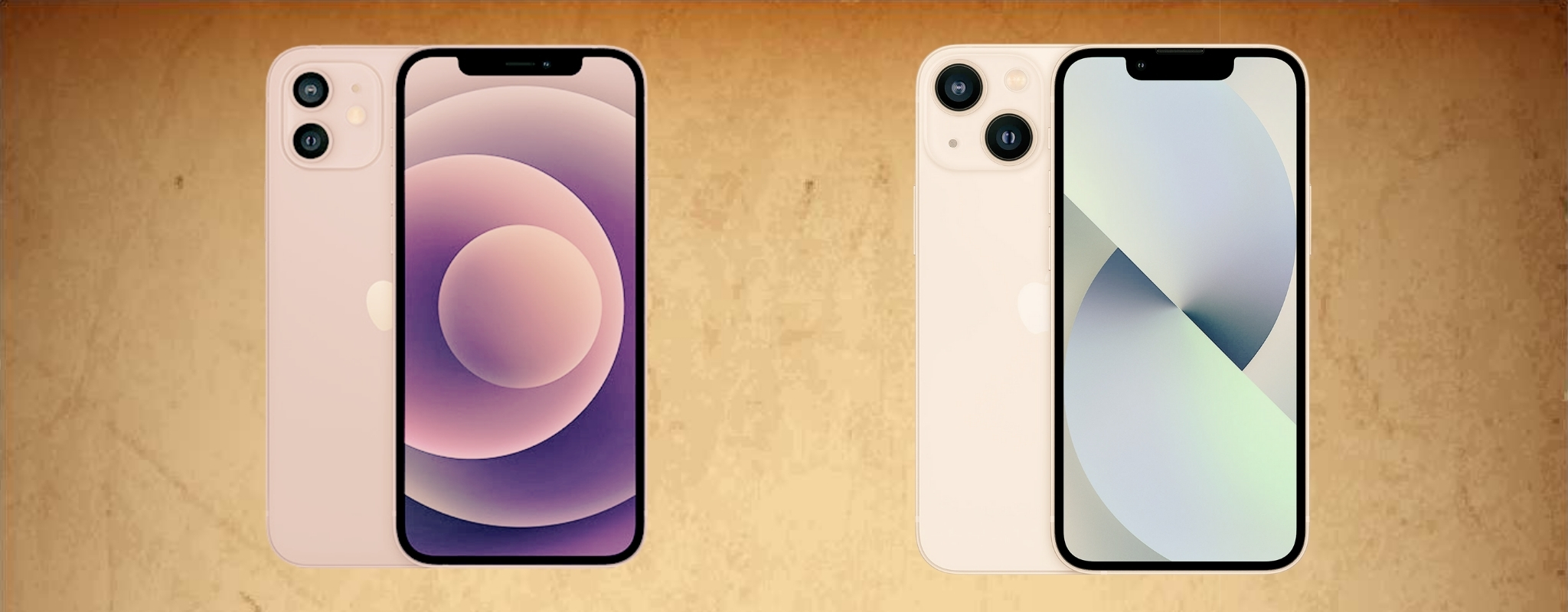
The iPhone 12 Mini was launched at the same time as the iPhone 12, iPhone 12 Pro and 12 Pro Max. It was the first iPhone to feature the "Mini" suffix and offered a 5.4-inch screen, much more compact than the other models in the range. It was aimed at those who preferred smaller smartphones, but without sacrificing performance.

It shared most of the features of the iPhone 12, with the A14 Bionic chip, an OLED screen, 5G, and a similar design with flat edges.

Although it was praised for its compact size and performance, sales fell well short of Apple's expectations. The smaller screen size and smaller battery, reducing battery life, slowed its adoption by the general public.

iPhone 13 Mini (2021)

Release date: September 2021.

Apple Nevertheless, Apple relaunched a Mini model the following year with the iPhone 13 Mini, which remained virtually identical in size (5.4 inches) while benefiting from the improvements of the iPhone 13 range, such as the A15 Bionic chip, better battery life, and an improved camera system.

As with the previous model, sales of the iPhone 13 Mini were relatively low. Although some users appreciated its size, the general public preferred larger iPhones for a better viewing experience and longer battery life.

End of the Mini version 

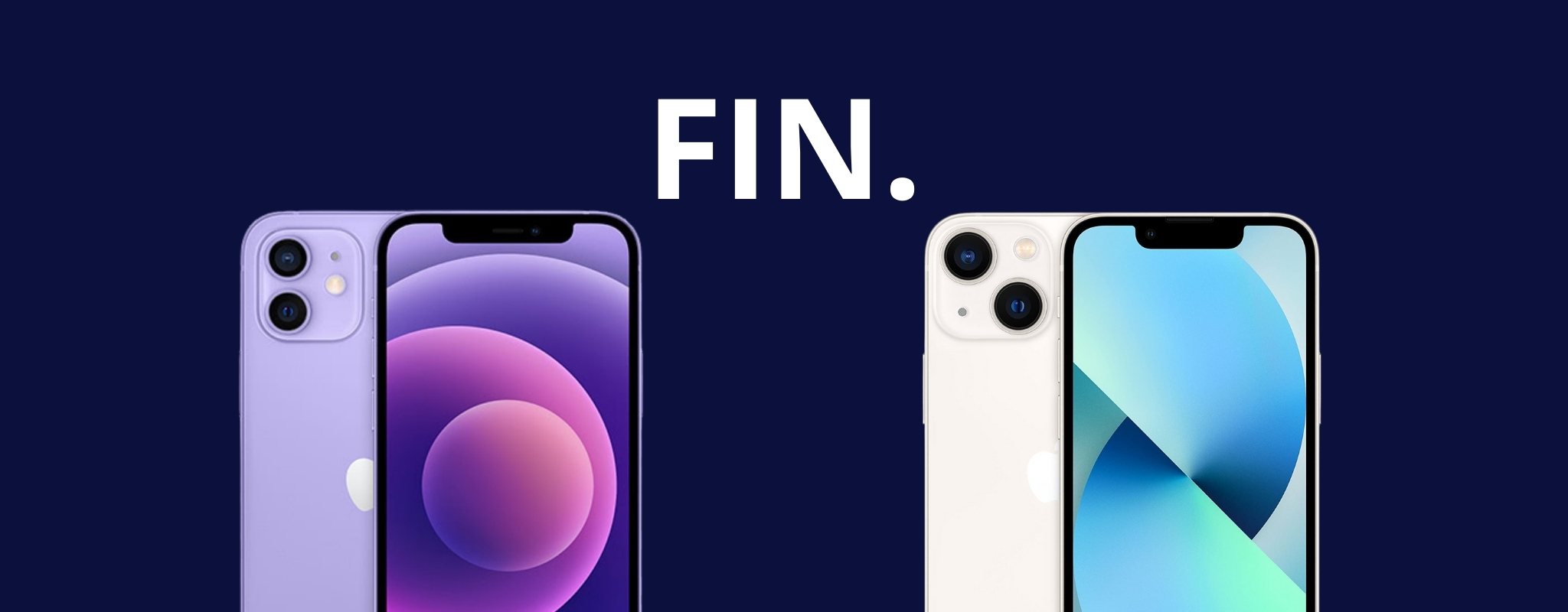
The iPhone Mini only existed for two generations: the iPhone 12 Mini and the iPhone 13 Mini. The decision to replace the iPhone Mini with the iPhone Plus highlights the growing trend towards smartphones with larger screens.

Instead of an iPhone 14 Mini, Apple introduced the iPhone 14 Plus, a model with a 6.7-inch screen, reviving the idea of offering a more affordable alternative to the Pro Max models while maintaining a large screen size.

Apple's reasons for abandoning the iPhone Mini

Low commercial demand

Although the idea of offering a smaller iPhone was welcomed by some consumers, sales of the mini models (iPhone 12 mini and 13 mini) were disappointing compared to Apple's expectations. Consumers seem to prefer smartphones with larger screens, particularly for a better viewing, gaming and multimedia content consumption experience.

Battery life

Due to their smaller size, the mini models have a smaller battery than other iPhones. This has caused battery life issues, which is a crucial factor for many users. Larger models, such as the standard or Pro iPhones, offer significantly better battery life, even though the latter is already criticised for being insufficient.

User preference

Smartphone users have generally moved towards phones with larger screens, which are better suited to a variety of uses such as video, gaming, and multitasking. Although the iPhone mini was aimed at an audience that preferred compact phones, this niche seemed too small. Sales were therefore not conclusive compared to other models.

Focus on the most popular models

Apple Apple. seems to be focusing its efforts on the best-selling models, such as the iPhone Pro and Pro Max, which meet the growing demand for more powerful and larger devices. By streamlining its range, . can simplify its catalogue and better allocate its resources.

Competition from the iPhone SE? 

Ultimately, when it came to the price argument to reach more consumers, the iPhone SE was ultimately preferred over the Mini version in terms of sales. This trend is confirmed with the upcoming arrival of the fourth version of the iPhone SE.

In summary, the combination of low demand and market preferences for larger phones has led Apple to abandon the iPhone Mini in its latest generations of iPhones.

Can I still buy an iPhone Mini?

With the arrival of the iPhone 16 in September 2024, the product catalogue Apple is being revised. The latest model offered for sale by them is generally discontinued to make "room" for the newcomer.

In 2024, we will be saying goodbye to the 13 series! This is the last series to feature a Mini version of the iPhone. Its production will therefore be discontinued.

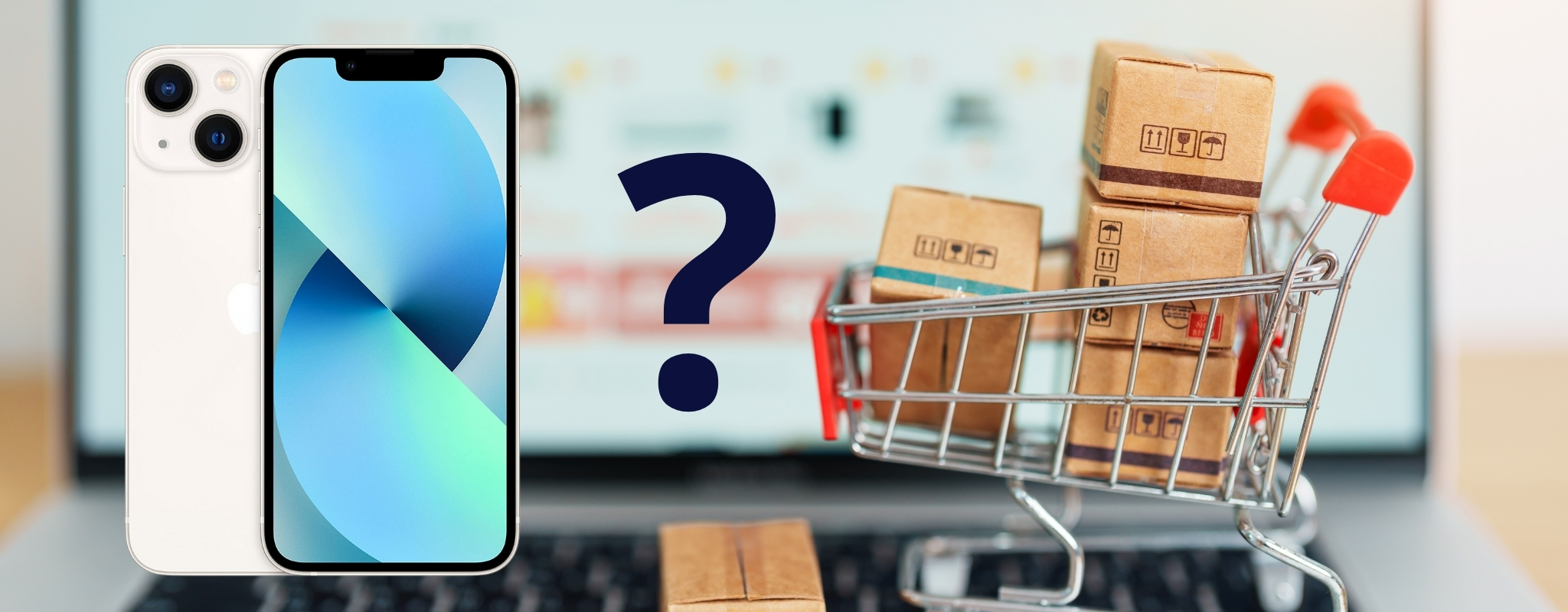
However, you will still be able to find the iPhone 13 Mini at other retailers who will be clearing their stock over the coming months, or you can turn to refurbished or second-hand products. Be careful where you buy your iPhone, whether on specialised websites or elsewhere!

More articles

VISIT OUR BLOG
Advice
IPhone screen: understanding Hz and ProMotion

IPhone screen: understanding Hz and ProMotion

60 Hz, 90 Hz, 120 Hz, ProMotion: find out how the display frequency of an iPhone screen works,...

2025-11-28
Advice
What quality iPhone screen should I choose? TFT, INCELL, OLED, original

What quality iPhone screen should I choose? TFT, INCELL, OLED, original

TFT, INCELL, LTPS, hard and soft OLED, Service Pack, refurbished or pulled: find out which iPhone...

2025-11-26
News
OnePlus 13: Features and Release Date

OnePlus 13: Features and Release Date

OnePlus 13: Discover its features, innovations and expected release date. Everything you need to...

2025-03-04